Introduction
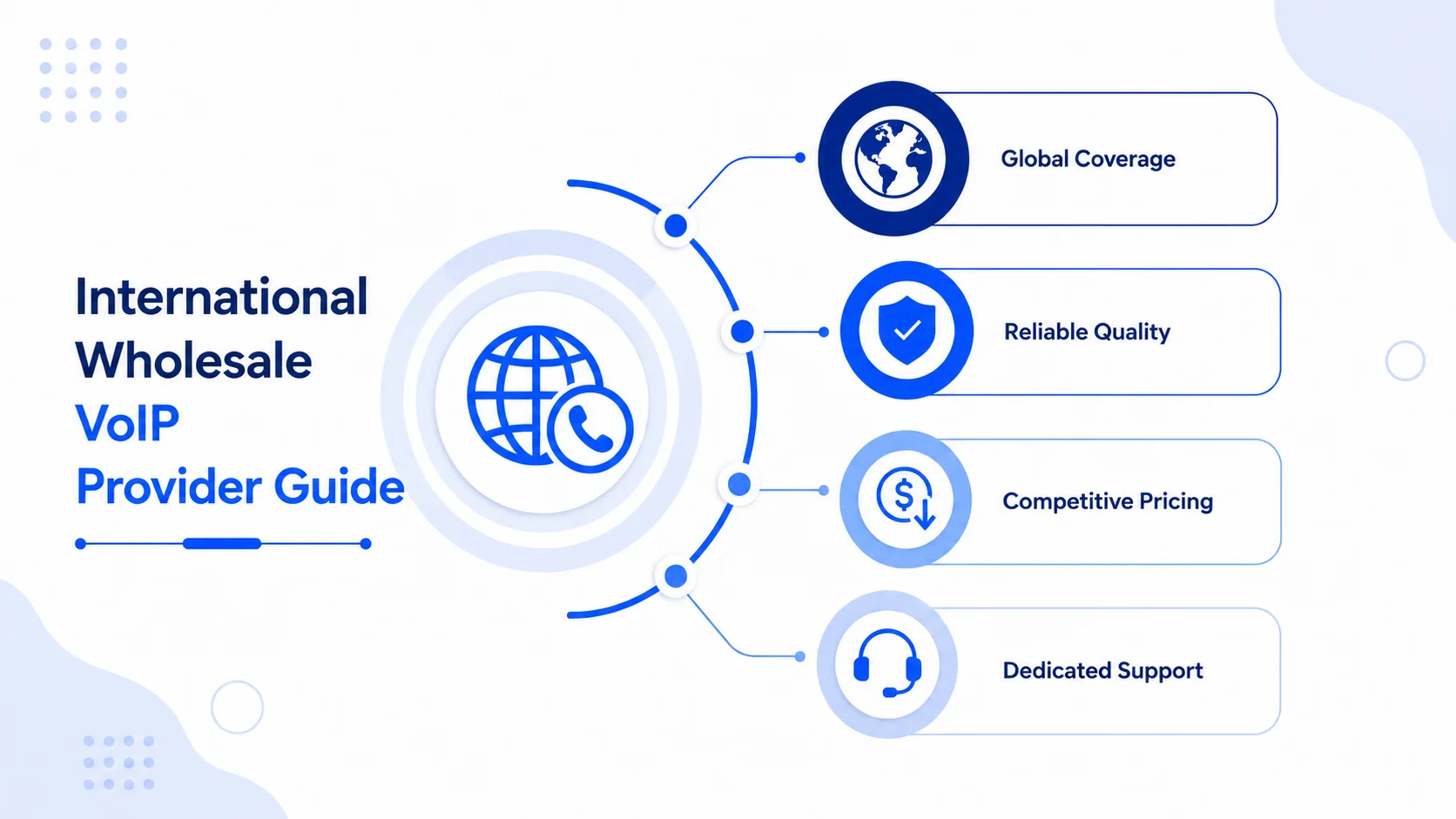
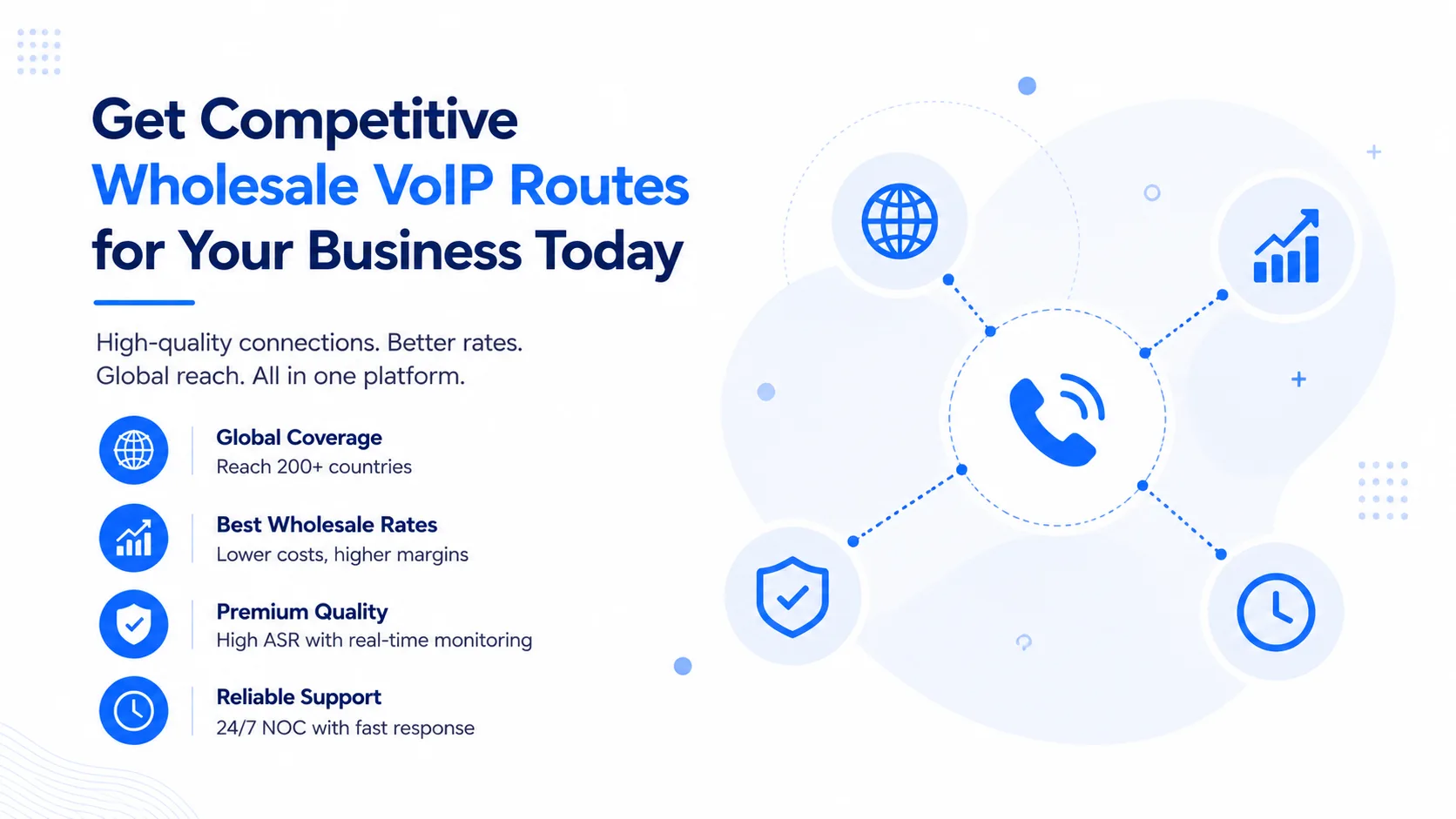
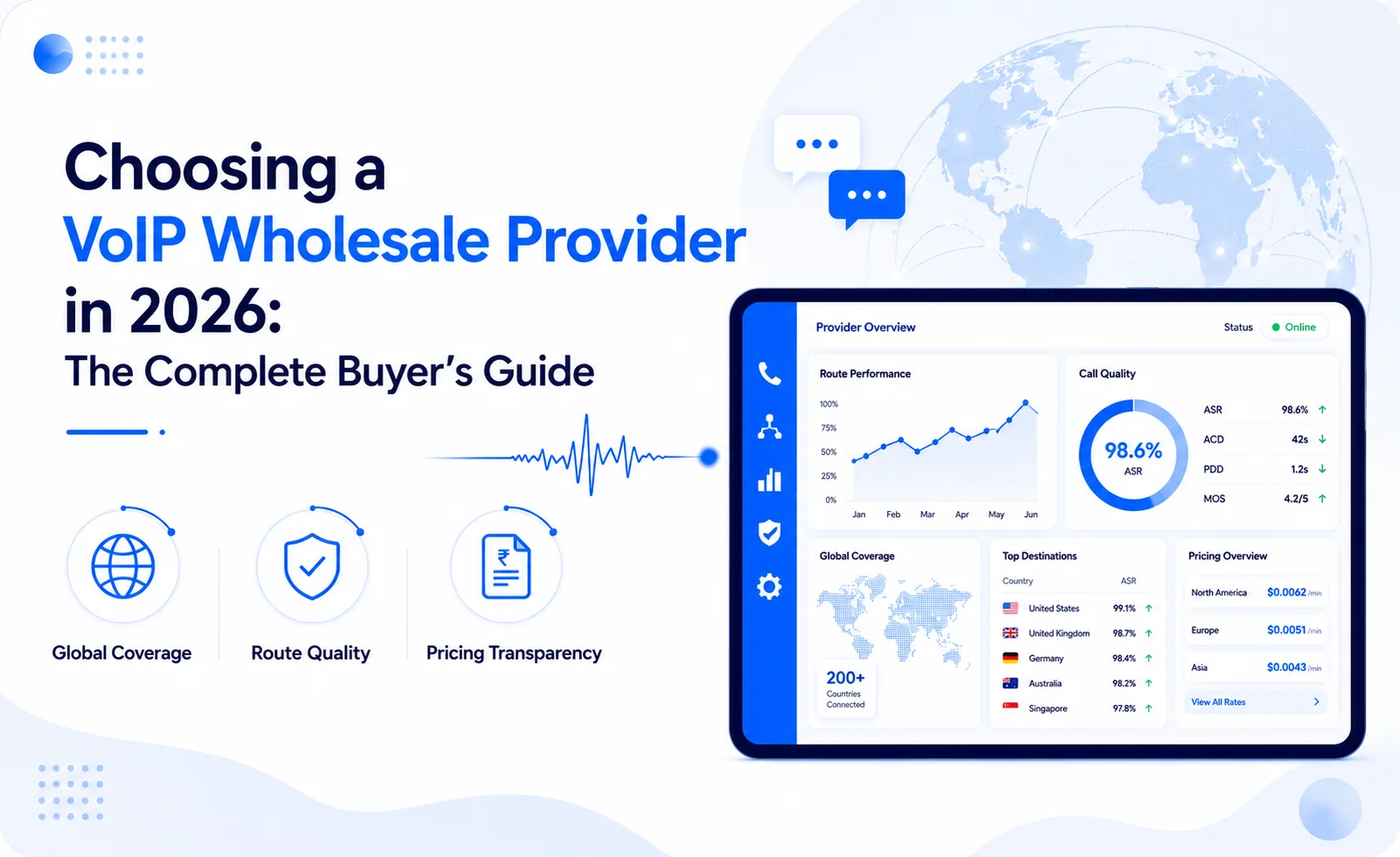
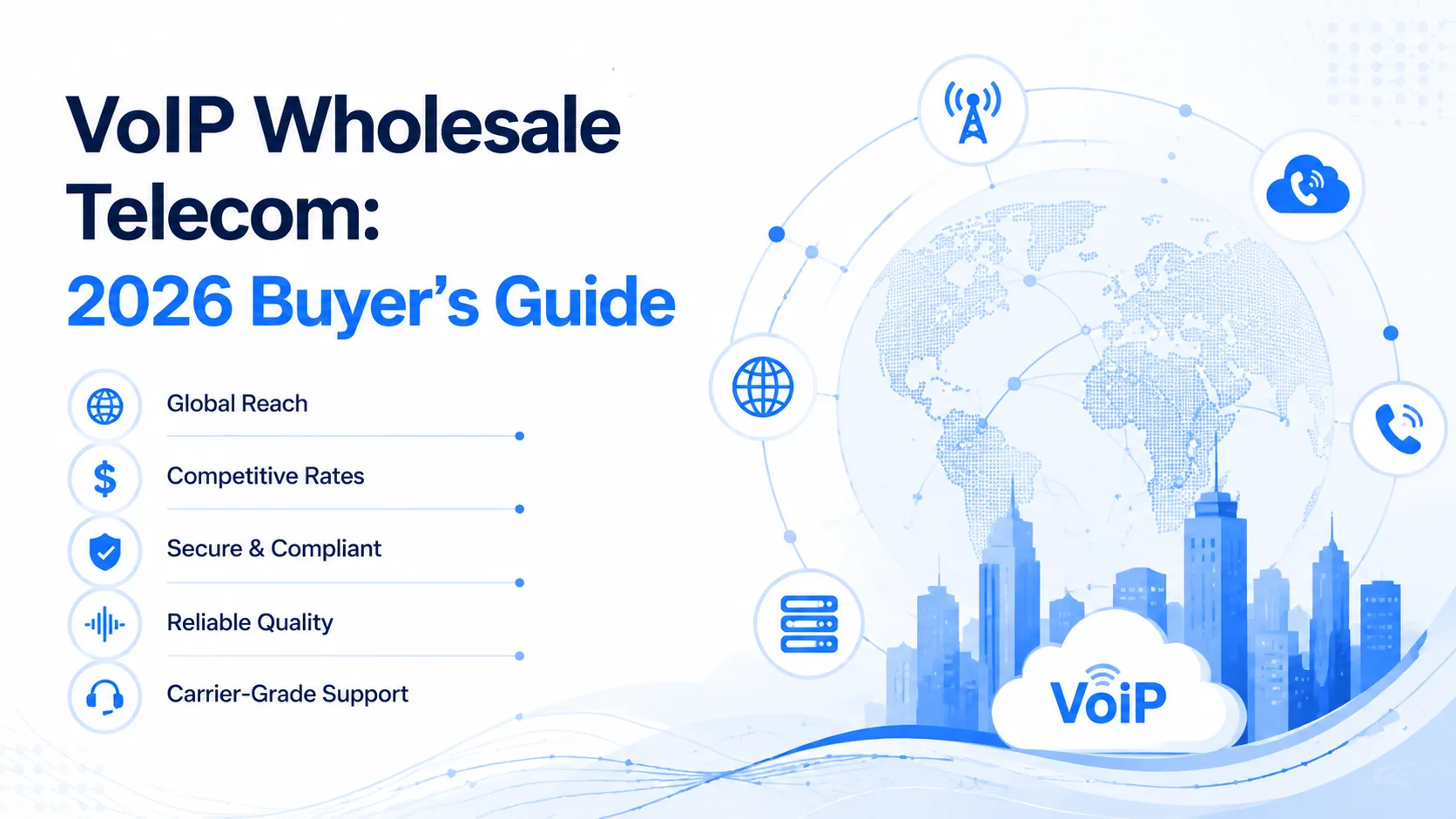
VoIP wholesale telecom sits at the carrier layer of the modern voice stack, aggregating Tier 1 capacity and distributing it to resellers, ITSPs, and enterprises. This guide explains how VoIP wholesale rates are quoted and what separates a credible provider from a glorified reseller.
It also shows how Twiching delivers wholesale voice termination on a single carrier-grade platform.
What VoIP Wholesale Telecom Actually Means
VoIP wholesale telecom is the carrier-to-carrier layer of the voice ecosystem. A VoIP wholesale telecom provider does not sell minutes to consumers. Instead, it sells bulk capacity, DID number ranges, and SIP termination services to retail operators, ITSPs, contact centres, and enterprises with high outbound volumes.
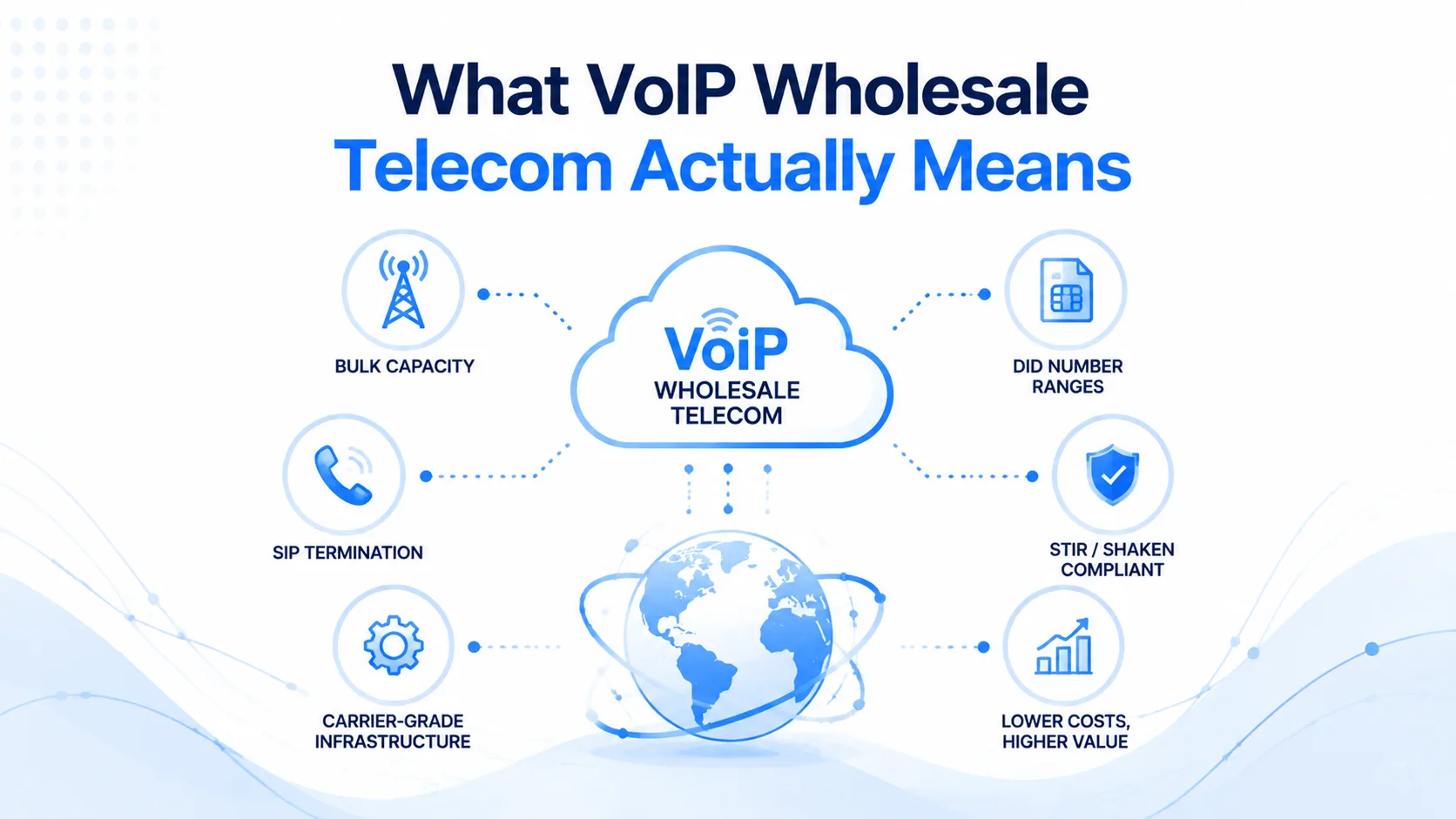
The economics work because the wholesale VoIP carrier aggregates traffic across many customers. That scale lets it negotiate rates against Tier 1 interconnects that an individual buyer could never reach directly.
This is also why VoIP wholesale rates are dramatically lower than retail tariffs. The underlying transport is the same internet protocol everyone else uses, but the buying power and the routing engineering live with the VoIP wholesale telecom provider. Customers pay for minutes; the provider handles interconnects, billing engines, and STIR/SHAKEN attestation behind the scenes.
Core VoIP Wholesale Telecom Services
Further reading: Wholesale VoIP pricing
A modern VoIP wholesale telecom platform bundles four core wholesale VoIP services into a single contract. Buying them separately from different vendors is technically possible but operationally painful — reconciliation, fraud controls, and quality scoring all break down across mismatched stacks.
Each service also feeds the others operationally — outbound termination and inbound DID ranges share the same softswitch and billing engine, so a single dashboard shows the full picture instead of four disconnected invoices.
- Wholesale voice termination — outbound A-Z minutes across the global VoIP wholesale footprint.
- SIP termination services — direct PBX-to-carrier connectivity that replaces legacy PRI lines.
- DID number provisioning — local, mobile, and toll-free inbound numbers across 100+ countries.
- Programmable APIs — real-time CDRs, route quality scoring, and self-service rate sheets.
How VoIP Wholesale Rates Are Quoted
VoIP wholesale rates are quoted per destination, per second of billing increment. The most common increments are 1/1, 6/6, and 30/6 — and the choice has a meaningful impact on real cost for short-duration traffic. A carrier-grade VoIP wholesale provider publishes the increment alongside the rate so customers can model accurate margins instead of being surprised on the first invoice.
Three pricing models dominate the wholesale VoIP telecom solutions market. These are pure per-minute, committed monthly minute pools with overage pricing, and hybrid tiers that combine flat domestic termination with metered international. Most resellers and ITSPs land on hybrid tiers because they match the actual VoIP wholesale traffic mix of mid-sized customers.
Direct Interconnects vs. Reseller Routes
Further reading: Wholesale VoIP platform
The single biggest factor in VoIP wholesale telecom quality is whether the provider owns its routes or buys them from someone else. Direct interconnects with Tier 1 carriers deliver tighter ASR, lower PDD, and better STIR/SHAKEN posture. Reseller routes add hops, latency, and a layer of margin you pay for without seeing.
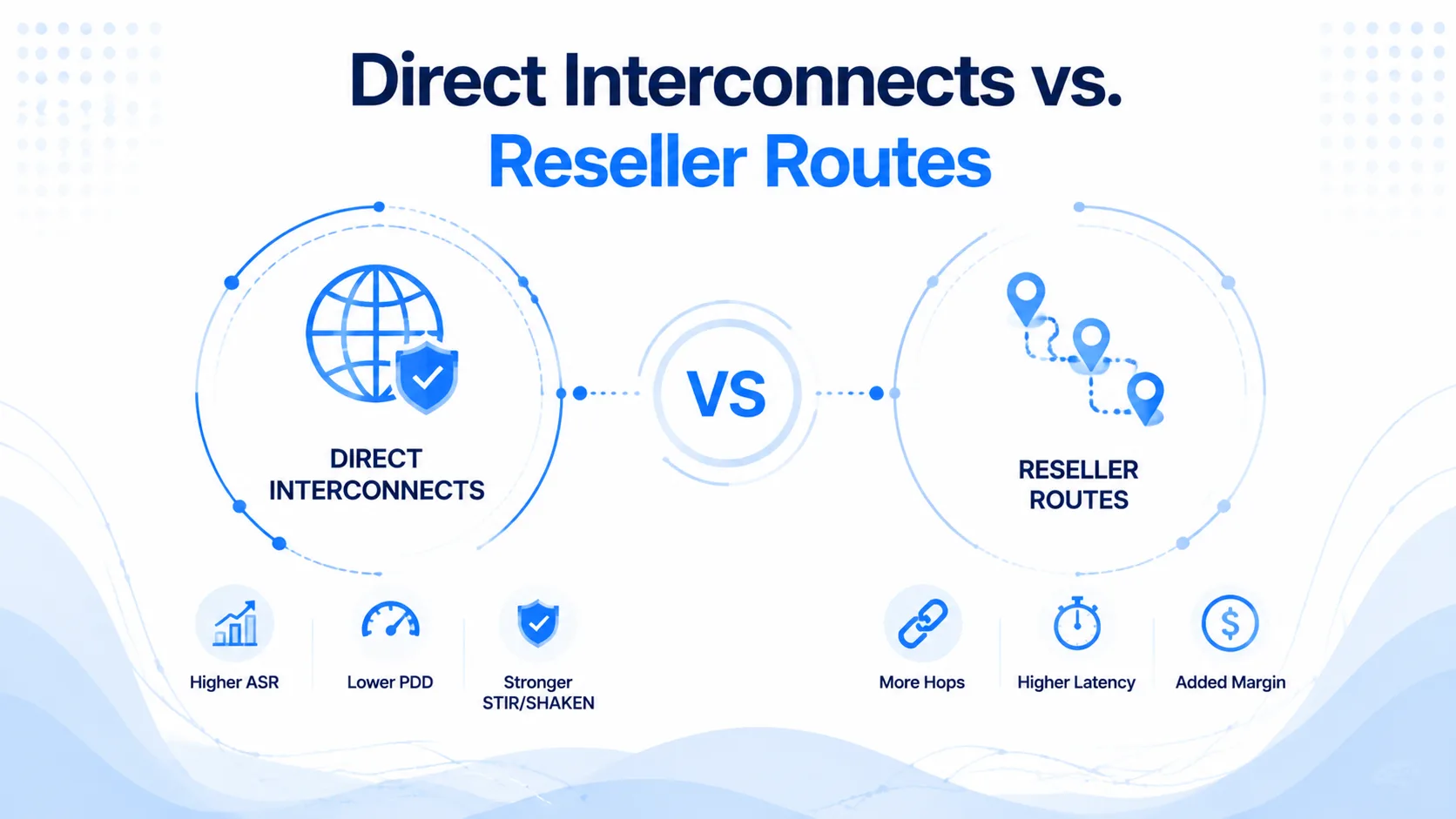
A genuine VoIP wholesale carrier exposes the route map in its dashboard, publishes live quality scores per destination, and lets customers steer traffic away from underperforming paths. If a VoIP wholesale telecom provider cannot answer the question 'which Tier 1 carries my minutes to Brazil?' in real time, that is a warning sign. It reveals the shallow depth of the wholesale VoIP network underneath.
PSTN Interconnect and STIR/SHAKEN Compliance
Even in 2026, a large share of wholesale voice termination still lands on the legacy PSTN. PSTN interconnect happens at gateway equipment that converts SIP to SS7 near major exchange nodes. The engineering of that handoff determines whether long-distance calls sound carrier-grade or like a noisy compressed stream.
On the US side, STIR/SHAKEN attestation has moved from compliance overhead to a competitive advantage. A-attested minutes deliver measurably higher ASR, fewer spam labels, and better acceptance from downstream carriers. Any VoIP wholesale telecom provider serving US-bound traffic without STIR/SHAKEN is quietly costing its customers connection rates.
VoIP Wholesale Reseller Programmes
Most carrier-grade VoIP wholesale providers run a structured VoIP wholesale reseller programme on top of their core platform. White-label portals, branded billing, and tiered commissions let resellers launch their own VoIP wholesale telecom business without operating a softswitch. The platform supplies the wholesale VoIP carrier underneath; the reseller owns the customer relationship.
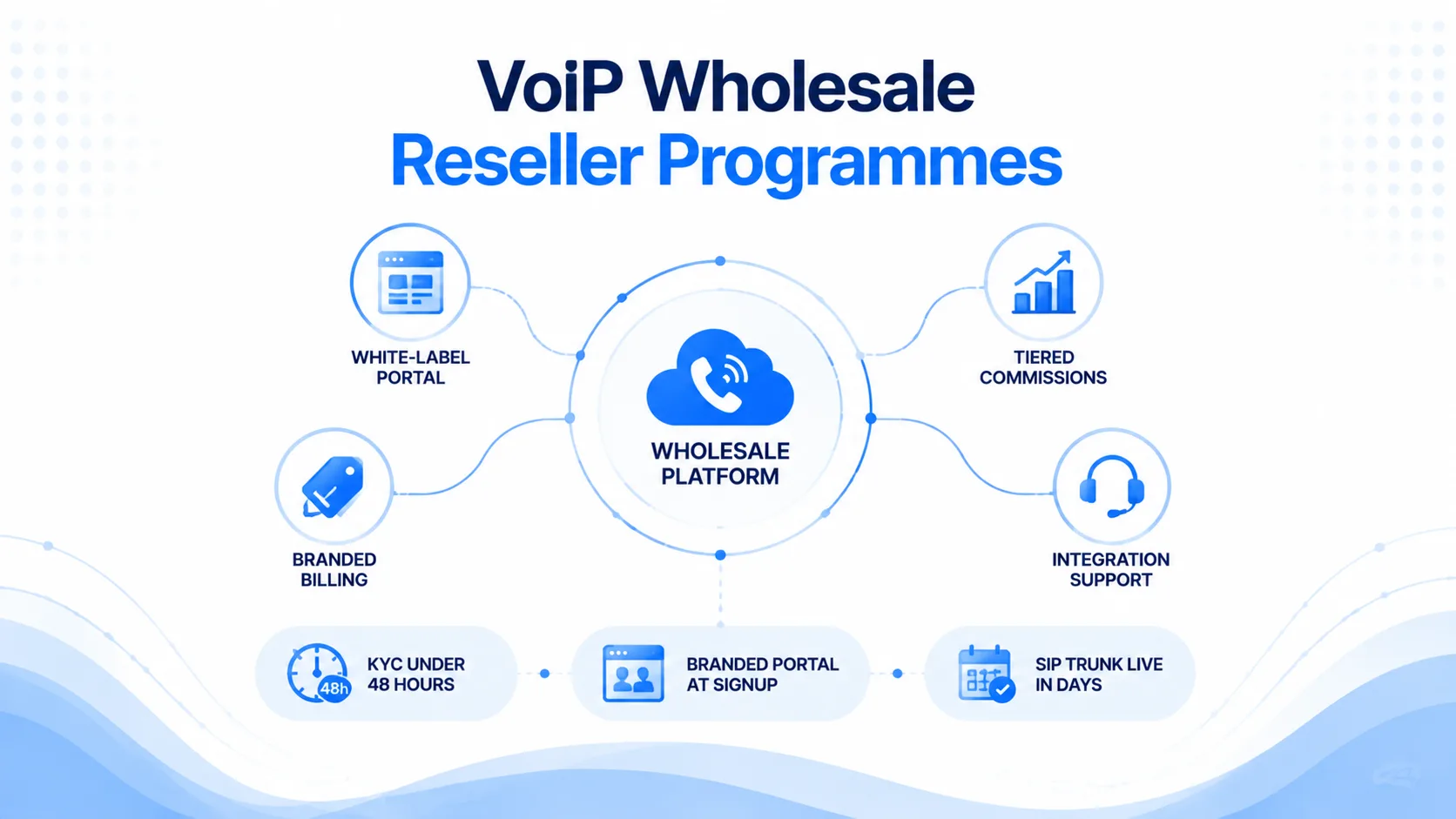
What separates the better programmes is fair commissions paired with fast onboarding. A reseller who can sign a customer on Monday and provision a SIP trunk by Wednesday will outsell one stuck in a two-week KYC queue every time. Twiching designed its VoIP wholesale reseller programme around that turnaround — KYC under 48 hours, branded portal at signup, and competitive wholesale VoIP integration support throughout.
Twiching as a VoIP Wholesale Telecom Provider
Further reading: FCC STIR/SHAKEN reference
Twiching is purpose-built as a VoIP wholesale telecom provider for ITSPs, resellers, contact-centre platforms, and enterprises with high-volume outbound. The platform combines competitive VoIP wholesale rates with a global softswitch fabric spanning 165+ countries. It backs that with real-time CDRs, STIR/SHAKEN attestation, and 24/7 NOC support that responds to critical incidents within 15 minutes.
The same dashboard exposes per-destination quality scoring, route controls, and spend caps — the operational primitives every serious VoIP wholesale buyer needs to run a healthy P&L. Customers can launch wholesale VoIP services and DID provisioning under their own brand in days. All of it runs on the same carrier-grade VoIP wholesale platform and network that handles their traffic at scale.
How to Evaluate a VoIP Wholesale Telecom Provider
A rate card alone won't tell you whether a provider can actually carry your traffic reliably. Run any shortlist through these six checks before signing, since each one exposes a different way a supplier can quietly fall short.
- 01Direct interconnects — does the provider own routes, or just resell them?
- 02Rate transparency — are VoIP wholesale rates published per destination with billing increments?
- 03STIR/SHAKEN posture — full attestation on US-bound wholesale voice termination?
- 04NOC depth — 15-minute response on critical incidents, with named escalation paths?
- 05Programmability — REST APIs for CDRs, rate updates, and DID provisioning?
- 06Compliance — GDPR, TCPA, and per-market regulatory coverage built in?
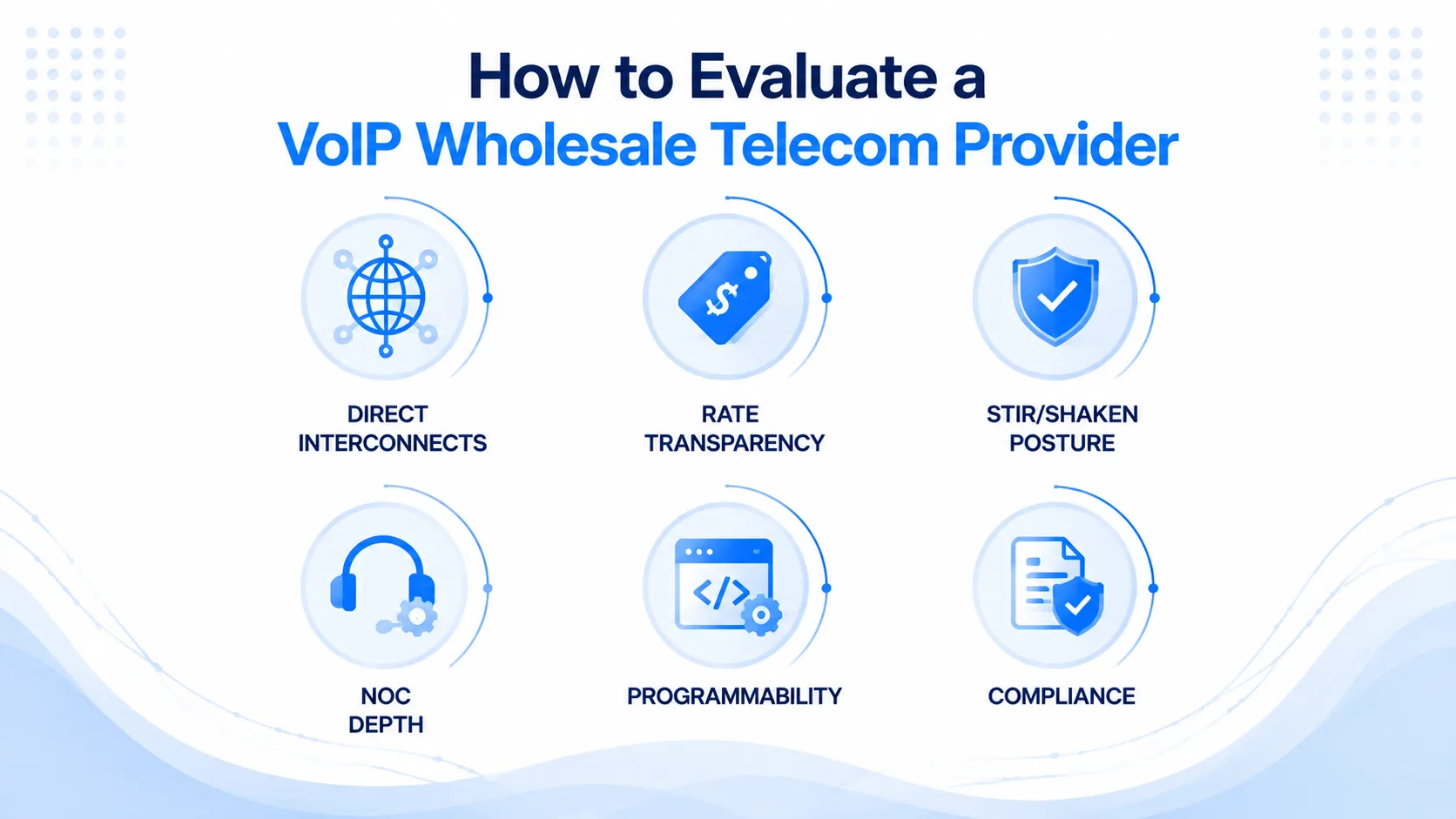
A provider that answers every item on this list in writing, rather than in a sales conversation, is usually the one operating at the actual carrier layer instead of reselling someone else's network.
Conclusion
VoIP wholesale telecom is a carrier business pretending to be a software product, and the operators who treat it that way are pulling ahead. The buyer's checklist stays consistent — direct routes, transparent VoIP wholesale rates, STIR/SHAKEN attestation, real-time CDRs, and 24/7 NOC support — but the bar on each item keeps rising.
Twiching is built to clear that bar across wholesale voice termination, SIP termination services, and DID provisioning on one carrier-grade VoIP wholesale platform, so customers can focus on the application layer instead of running the carrier themselves.