Introduction
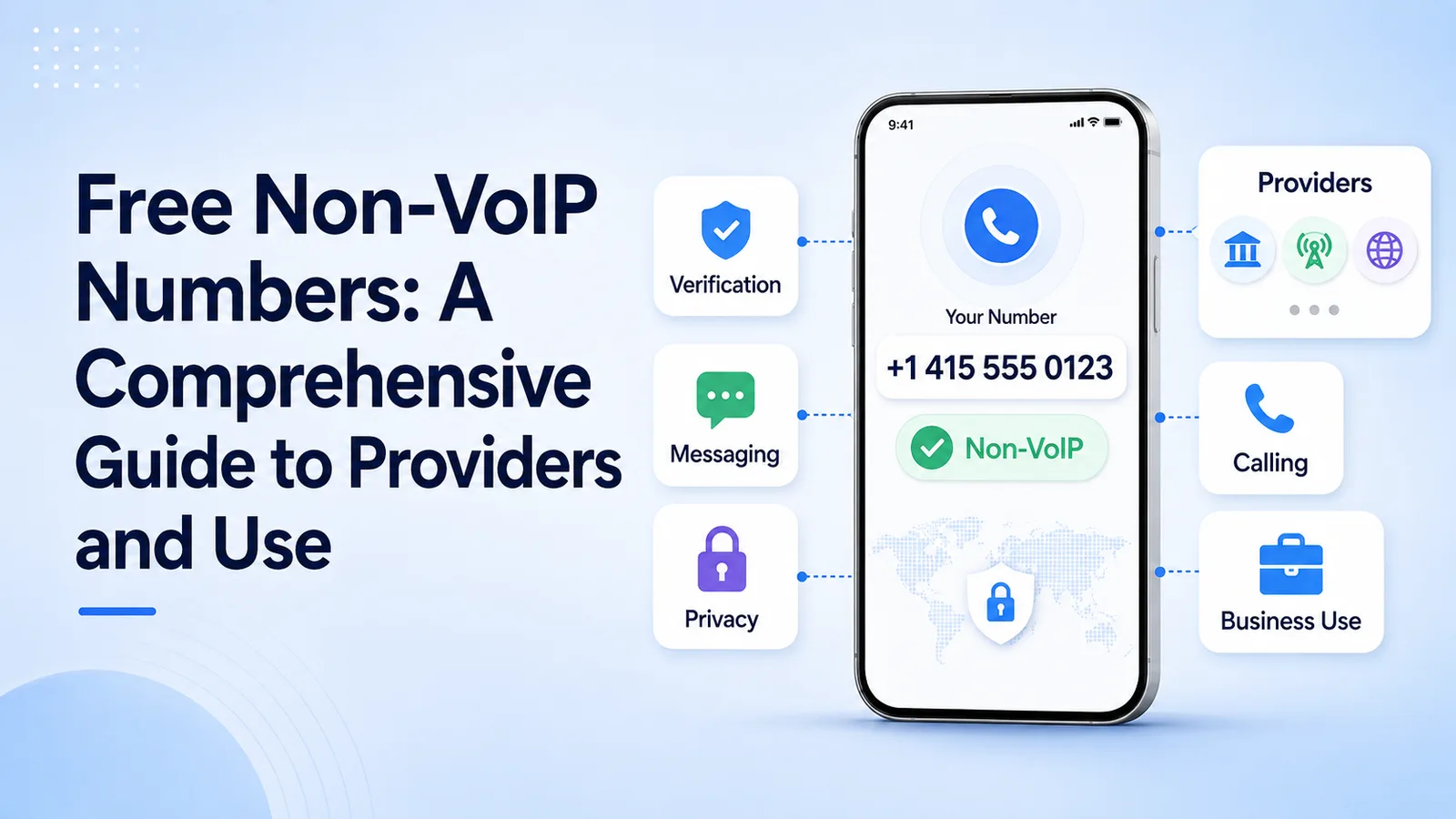
In today's digital world, keeping your online activities safe and verified is key. Non-VoIP numbers offer a secure, easy-to-use alternative to regular phone numbers for SMS verification.
This guide covers how free non-VoIP numbers work, their benefits, and why they beat a regular phone number for this purpose.
Key Takeaways
- The definition and core features of non-VoIP numbers, and how they differ from VoIP.
- The top free non-VoIP number providers offering reliable, secure virtual numbers.
- The step-by-step process for acquiring and using a free non-VoIP number, including SMS verification.
- The advantages of free non-VoIP numbers: enhanced security, universal acceptance, and cost savings.
- The challenges and limitations of free non-VoIP numbers, plus tips for maximizing their benefits.
Key Features of Non-VoIP Numbers You Should Know
Non-VoIP numbers offer a powerful combination of security, quality, and flexibility — making them the go-to choice for businesses and individuals who need reliable verification and communication.
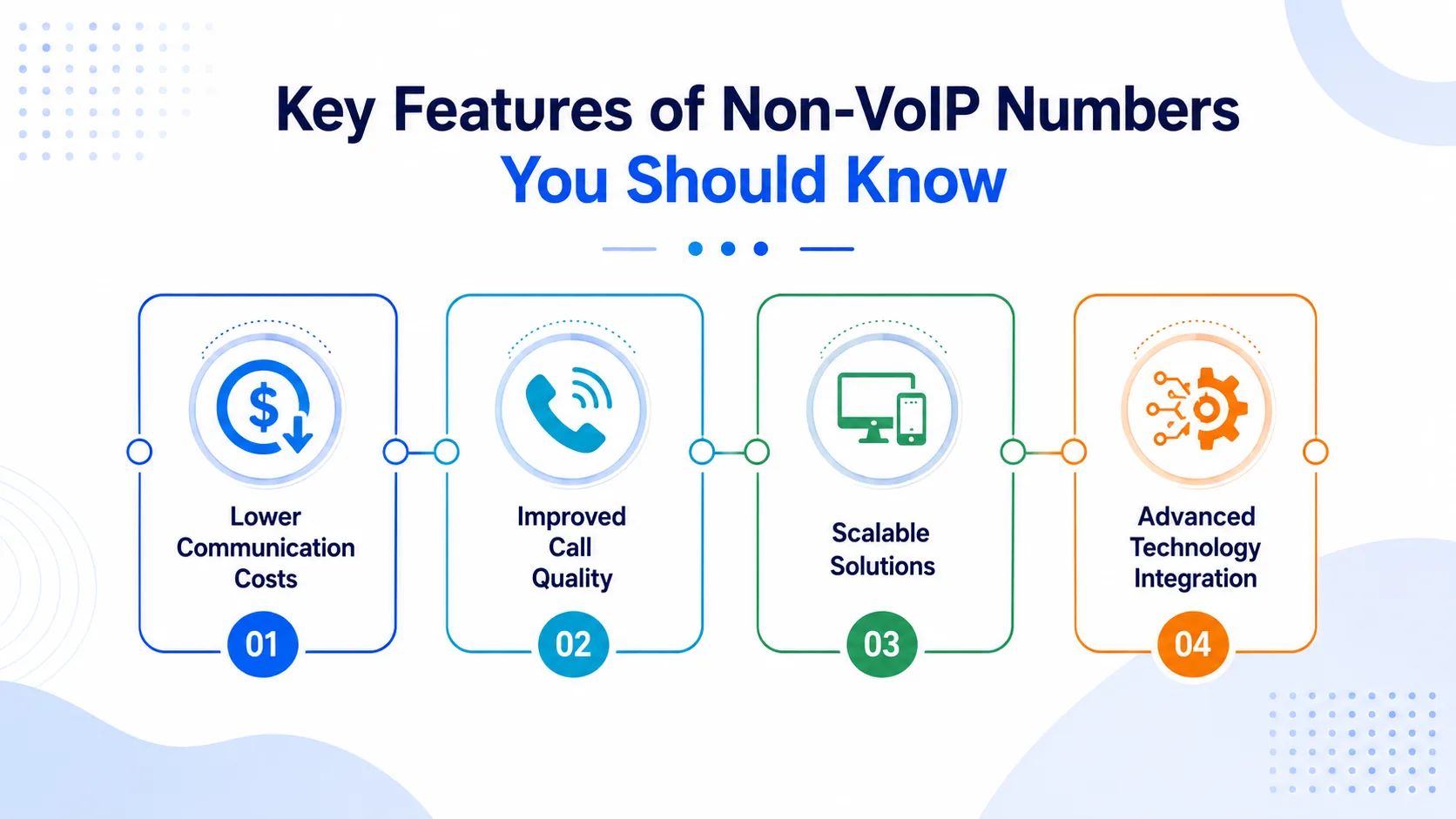
- 01Lower Communication Costs
- 02Improved Call Quality
- 03Scalable Solutions
- 04Advanced Technology Integration
What Are Non-VoIP Numbers? Understanding Their Core Features
Communication has changed, and Non-VoIP numbers are one option gaining ground, with a few key features that set them apart from VoIP numbers.
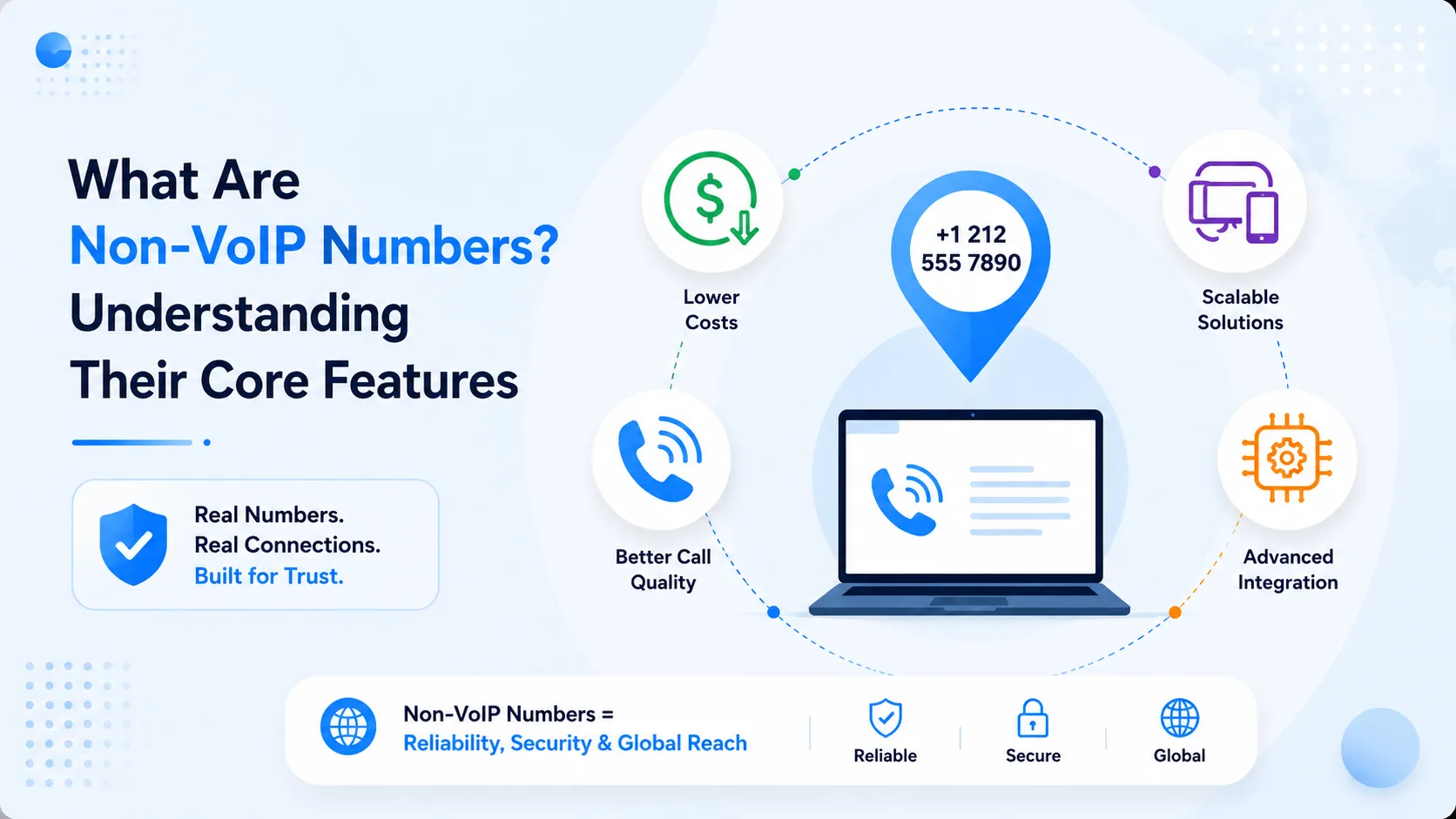
Non-VoIP numbers are traditional numbers tied to the PSTN, suited to personal use, business calls, or disposable transaction numbers, without depending on bandwidth for call quality.
Apps now offer these numbers at little to no cost, letting users grab a temporary number without a dedicated line — useful for privacy and separating work from personal life.
Definition of Non-VoIP Numbers
Non-VoIP numbers, also called traditional or landline numbers, run on the PSTN rather than the internet, keeping service reliable and consistent.
Differences between Non-VoIP and VoIP Numbers
The core difference is transmission: VoIP sends voice data over the internet, while non-VoIP relies on the PSTN.
That makes non-VoIP numbers more secure, more widely accepted, and generally cheaper.
Common Use Cases for Non-VoIP Numbers
Non-VoIP numbers show up wherever a service demands real carrier infrastructure — from locking down an account to keeping business calls separate.
- SMS verification: hard to spoof, ideal for two-factor authentication.
- Secure communication: the PSTN offers better privacy than VoIP for sensitive talks.
- Platform compatibility: widely accepted for verification.
Understanding how they work helps tighten security and keep communications safe across platforms.
Advantages of Using Free Non-VoIP Numbers
Further reading: wholesale VoIP services for enterprise carriers
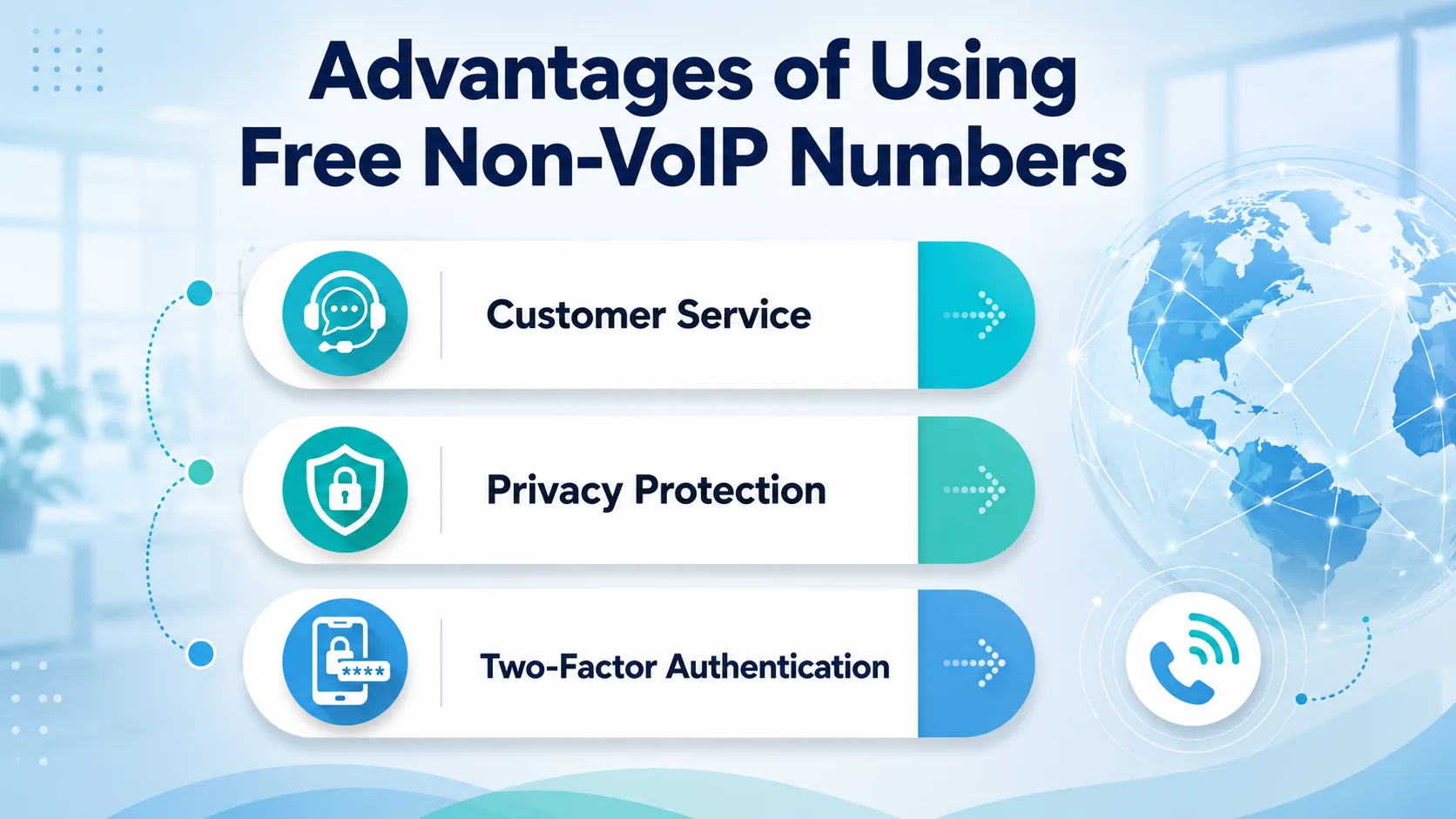
Free non-VoIP numbers, or online phone numbers, benefit individuals and businesses alike: better security, broad compatibility, no cost.
For individuals, an online number instead of a primary one cuts exposure of personal contact details and helps avoid spam calls.
For businesses, free numbers support customer support or temporary projects without the cost of traditional lines, keeping contact details confidential.
Enhanced Security: Why Non-VoIP Numbers are Harder to Hack or Spoof
Non-VoIP numbers are more secure because they're tied to physical SIM cards, hard to hack or spoof — important for sensitive information.
Universal Acceptance Across Platforms for Smoother Verification
Free non-VoIP numbers work with most online services, suited to account registration and two-factor authentication.
Cost Savings: Accessing Secure Numbers Without Additional Expenses
A free non-VoIP number can save money, offering the same security and features as paid options at no cost.
Security: high (SIM-card based) for both. Cross-platform acceptance: universal for both. Cost: free versus a paid monthly or yearly subscription.
Top Free Non-VoIP Number Providers You Can Trust
Several reliable platforms offer free non-VoIP numbers, giving you secure, temporary phone numbers.
They work well for SMS verification and secure communication. Here are a few top choices:
Twiching.ai
Twiching offers dedicated DID numbers backed by real carrier infrastructure across 191 countries, yours alone, so codes arrive reliably and pass the checks that reject VoIP numbers.
It's the better fit for business use or anything beyond a one-off verification.
Receive SMS Online
Receive SMS Online gives users access to temporary phone numbers from different regions.
That means receiving SMS without a physical SIM card — popular for convenient verification.
FreePhoneNum
FreePhoneNum has a large database of numbers across countries, making it easy to find the right one for verification.
These are just a few top providers — weigh availability, ease of use, and reliability to find the right fit.
Step-by-Step Guide to Acquiring a Free Non-VoIP Number
Further reading: Wholesale VoIP platform
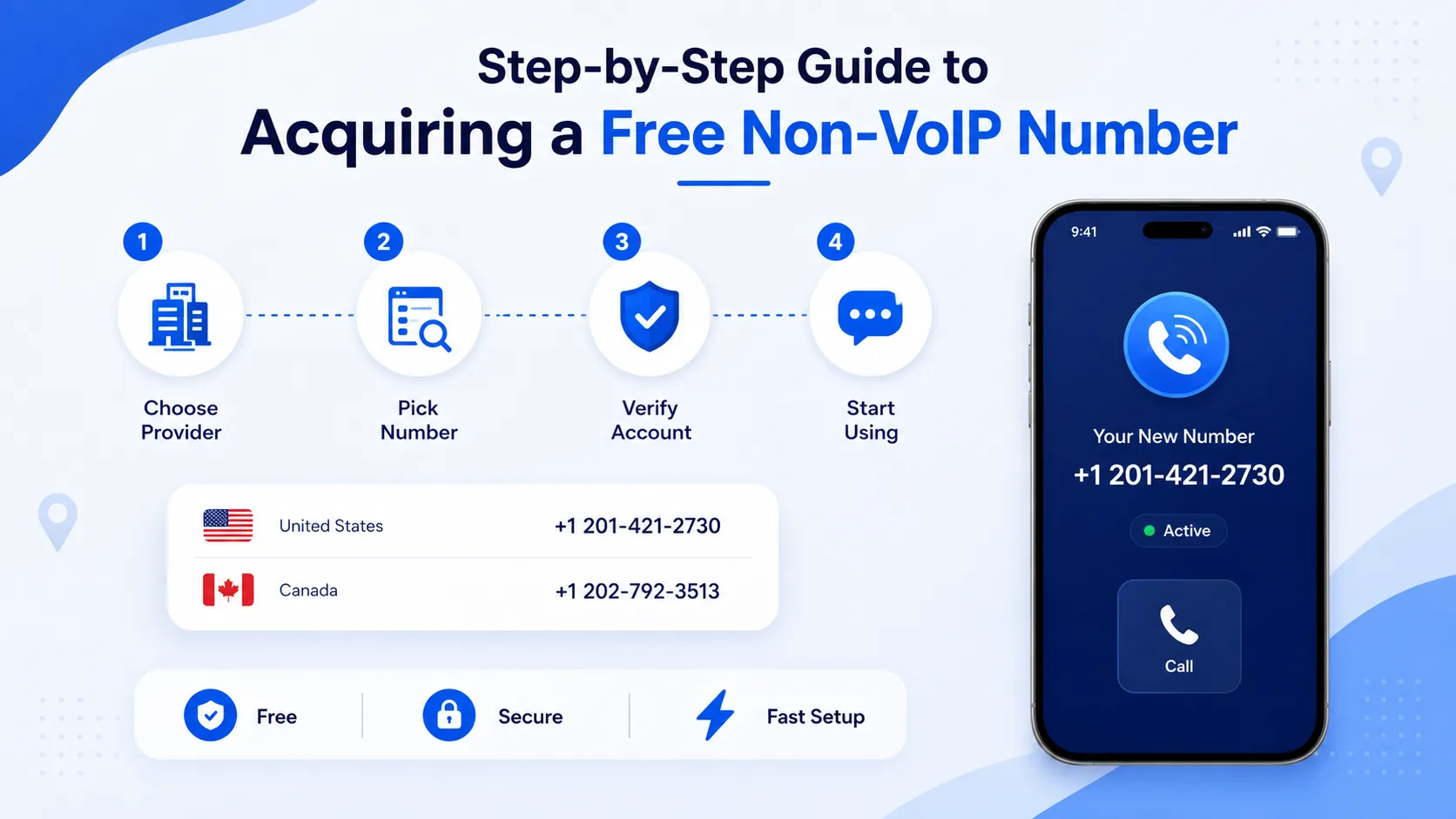
Getting a free non-VoIP number is quick and useful for SMS verification, since many services — social media, banking — require it.
A non-VoIP number sidesteps internet-based limits, letting you bypass restrictions while keeping your personal number private.
Start by researching services with easy registration, confirming via reviews that the numbers are genuinely non-VoIP.
Selecting a Trusted Provider
Start with a trusted provider — Twiching.ai, Receive SMS Online, or FreePhoneNum all offer easy use and strong security.
Signing Up and Browsing Available Numbers
After picking a provider, sign up and browse available numbers — make sure the location and area code fit your needs.
Using the Non-VoIP Number for SMS Verification
Enter your new number wherever verification asks for a phone number, keeping your personal number private.
Exact steps vary by provider, but the core process is the same across services.
Challenges and Limitations of Free Non-VoIP Numbers
Free non-VoIP numbers are valuable for verification and private communication, but carry real limitations worth knowing first.
Chief among those is the risk of being blocked, as platforms tighten security against fraud and restrictions keep growing.
They also offer limited anonymity, since free numbers are often shared, raising the risk of messages meant for someone else.
Shared Usage and Verification Reliability
Free non-VoIP numbers are often shared among many users, which can make verification less reliable — expect occasional delayed code delivery.
Temporary Nature and Expiration Policies
These numbers are usually temporary with varying expiration policies, so users may need new ones often — a hassle if consistency matters.
Restrictions by Some Services
Some services reject free non-VoIP numbers entirely, and others limit their use, so check compatibility first.
These restrictions exist because major platforms run phone-intelligence engines that score every number against a reputation database built from carrier records, fraud reports, and velocity signals like accounts verified per number in 30 days.
Free non-VoIP pools score poorly — SIMs are heavily recycled and volume per number runs extreme — so a flagged number can be blocked without warning.
There's also a privacy paradox: people use these numbers to protect identity, yet providers often publish every incoming SMS publicly, exposing codes or reset links to anyone who refreshes the page.
A dedicated paid line or eSIM keeps your inbox private and avoids the hidden cost of going free — failed verifications often cost more in wasted hours than a modest API fee.
Practical Tips for Maximizing the Benefits of Free Non-VoIP Numbers
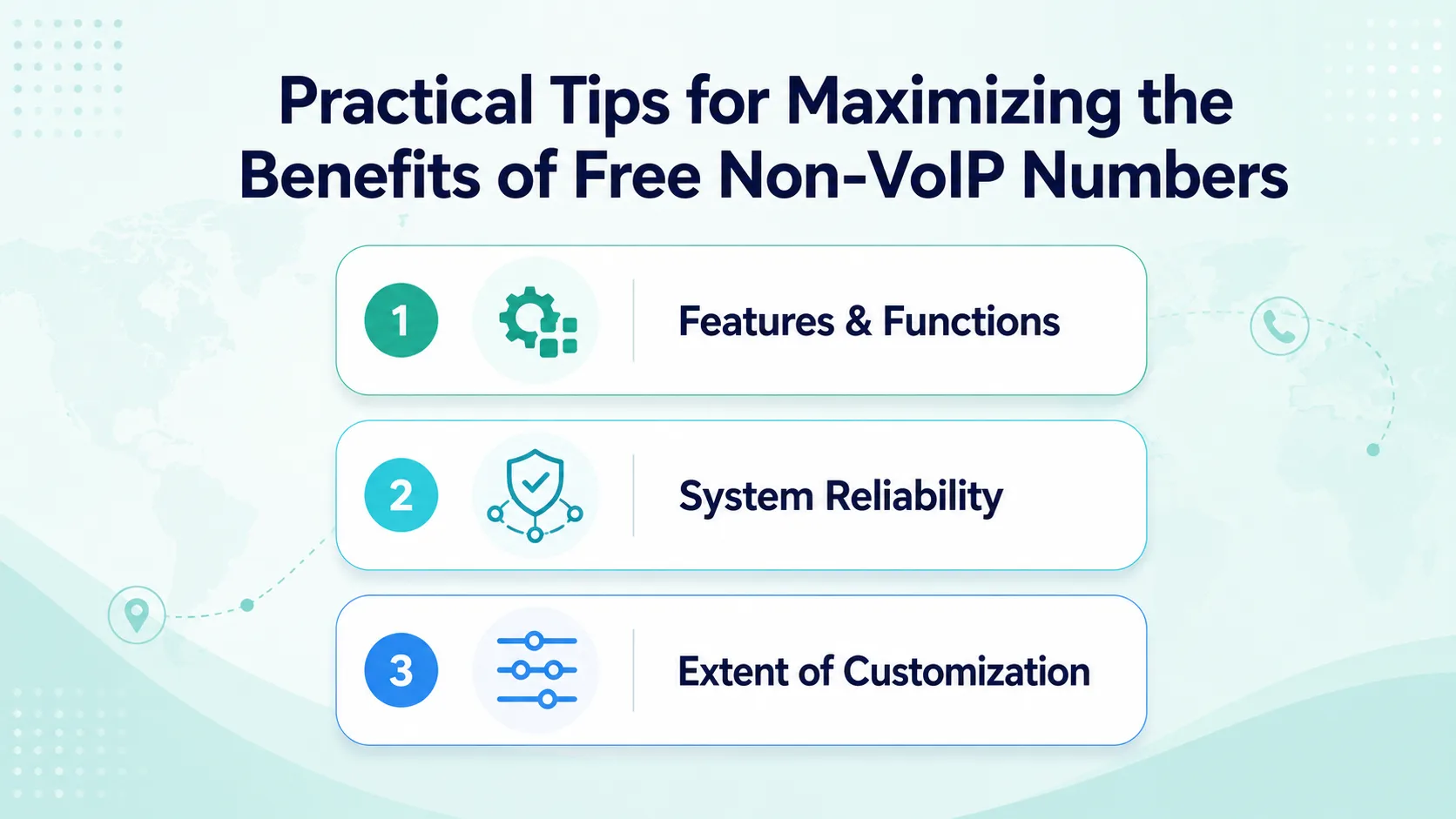
Free non-VoIP numbers work best when you retrieve codes quickly, pick the right platform, and use accounts securely.
Retrieve Verification Codes Quickly to Avoid Delays
Free non-VoIP services often have a short window for code retrieval, so act quickly.
Keep an eye on your inbox or messaging app so you catch the code the moment it arrives.
Choose the Right Platform Based on Your Needs
Many providers exist, so weigh number availability, reliability, and ease of use to find the right fit.
Comparing platforms upfront pays off.
Avoid Sensitive Accounts for Free Non-VoIP Number Verifications
Free non-VoIP numbers are handy but not for everything — being shared or lacking strong security makes them a poor fit here.
Reserve them for low-risk activities, and use a dedicated number for important accounts.
Alternatives to Free Non-VoIP Numbers for Long-Term Use
Further reading: Free VoIP Numbers — Wikipedia
Free non-VoIP numbers work well for quick SMS checks, but a paid number is the better investment for long-term or important needs.
Paid Non-VoIP Numbers: Why They're Worth Considering for Critical Tasks
Paid non-VoIP numbers are more reliable, since they're linked to a specific provider rather than shared.
They also tend to have longer expiration dates.
How to Get a Dedicated Non-VoIP Number for Personal or Business Use
Look for trusted providers — virtual phone number services or dedicated SMS platforms — weighing features, support, and pricing.
Once chosen, sign up and follow their steps to get a dedicated number for long-term use.
Free numbers are useful sometimes, but a paid option is often better for essential or long-term needs.
Conclusion
While most services accept free Non-VoIP numbers for SMS verification, some platforms may block them due to security concerns. Always check service compatibility before using a free number.
For a single sign-up or a one-time code, a free pool number is usually enough. Once verification needs become recurring or sensitive, a dedicated carrier-backed number closes the gaps — shared usage, public SMS logs, and blocked delivery — that free numbers can't avoid.