Introduction
The wholesale voice carrier market is the carrier-to-carrier layer of global telecom, where network operators trade bulk voice traffic and negotiate interconnection deals. They compete on network quality, pricing, and geographic reach — the factors that decide which carriers win downstream routing choices. Knowing this market's structure matters for any business building voice infrastructure or managing carrier relationships.
How the Wholesale Voice Carrier Market Is Structured

The wholesale voice carrier market runs across several tiers of carrier ties that together route every phone call placed on the global public network.
Tier-1 carriers own physical backbone infrastructure spanning multiple continents. They trade traffic through two-way peering deals without buying transit from other networks.
Tier-2 carriers run regional network infrastructure and hold direct ties in specific markets, while buying international transit from tier-1 operators.
Below these wholesale layers sit resellers and aggregators who package upstream capacity for downstream sale without owning switching infrastructure.
Knowing where each potential partner sits in this hierarchy is key to predicting the quality, pricing, and commercial feel of any carrier relationship in this market.
Key Players in the Wholesale Voice Carrier Market
Further reading: Wholesale Voice Termination Provider
The wholesale voice carrier market is made up of global tier-1 operators, regional specialists, technology-platform carriers, and emerging market specialists. Their network strengths vary a lot by geography.
Global carriers like AT&T, Lumen, Tata Communications, and BICS offer broad coverage with strong performance on major international corridors.
Regional specialists often beat global carriers on specific destination clusters. South Asian operators often offer better quality and pricing on India, Pakistan, and Bangladesh traffic.
Middle Eastern carriers hold pricing advantages on Gulf state termination that global networks can't match through resold transit.
Finding which players in this market have real infrastructure strength in your priority destinations is worth more than judging providers on global coverage claims alone.
Direct Peering and Transit Arrangements
The interconnection deals between carriers in the wholesale voice carrier market decide the routing depth and cost of every route open to downstream buyers.
Direct peering deals between tier-1 operators let traffic trade without transit charges. This gives the lowest possible per-minute costs on major corridors and the most stable routes.
When calls pass through several transit arrangements — through two or three middle carriers before reaching the destination network — each hop adds cost. It also adds more points where things can fail, cutting completion rates and raising latency.
Buyers who can spot and favor providers with direct interconnects in their priority markets always get better quality than those routing through multi-hop transit chains.
Pricing Dynamics in the Wholesale Voice Carrier Market
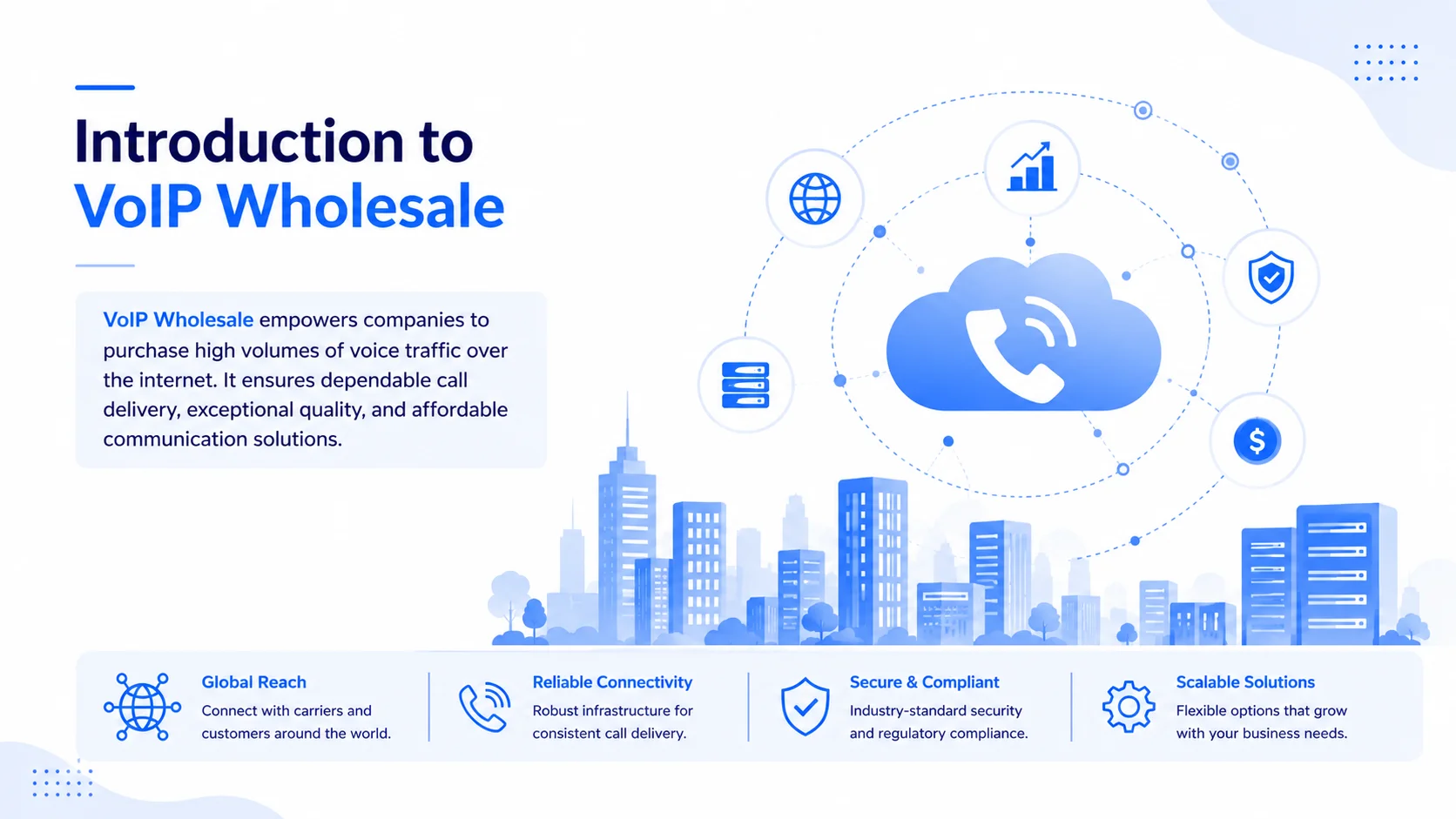
Pricing in the wholesale voice carrier market is driven by several forces working together: traffic volume, infrastructure competition, regulatory interconnection fees, and currency shifts.
These forces play out across hundreds of destination markets at once.
High-traffic corridors between major economies see the toughest competition among carriers. Per-minute rates on these corridors have dropped a lot over the past decade and keep falling as IP infrastructure gets more efficient.
Regulatory termination rates set by governments in destination countries create price floors on specific routes that everyone must absorb.
These floors limit how far competition can push rates on regulated termination corridors, no matter how fierce the competition among carriers above that floor.
Rate Trends and Market Evolution
The long-term path of the wholesale voice carrier market is falling per-minute rates on competitive routes. This is driven by ongoing infrastructure gains and more carrier competition on set corridors.
The ongoing shift of traffic from TDM to all-IP platforms also cuts per-minute infrastructure costs for carriers.
This trend helps downstream buyers who keep up active benchmarking and renegotiate deals often.
It also squeezes carrier margins, forcing them to keep improving efficiency to stay profitable.
Emerging market routes see the least rate decline. Infrastructure investment there stays limited and regulatory interconnection costs are high, so margins stay widest for operators with strong local carrier ties.
How to Navigate the Wholesale Voice Carrier Market
Further reading: Wholesale voice solutions
Navigating the wholesale voice carrier market well takes systematic carrier checks, multi-provider routing, and active commercial management of your carrier portfolio.
Build your evaluation framework around the five things that decide carrier value.
- Network quality on priority routes
- Pricing transparency and competitiveness
- Platform operational capabilities
- Support quality
- Fraud prevention infrastructure
Apply these criteria the same way across all carriers you check. This lets you compare directly, rather than relying on sales pitches that push each carrier's strengths while hiding weaknesses.
This market has enough competing options on most routes that a careful check always beats accepting whatever the first credible provider offers.
Building a Multi-Carrier Portfolio
Running with several active carrier relationships per destination group is the standard move for smart operators.
Multi-carrier routing builds quality backup and keeps pricing pressure on. It also lets you keep improving routes based on real-time performance data, instead of locking in fixed choices made when you first picked a provider.
Spread traffic across two or three providers per major destination group, weighted by quality-adjusted cost.
Review allocations every quarter. Routing should reflect current market conditions, not old arrangements that changing carrier performance or new entrants may have made outdated.
Technology Trends Reshaping the Market
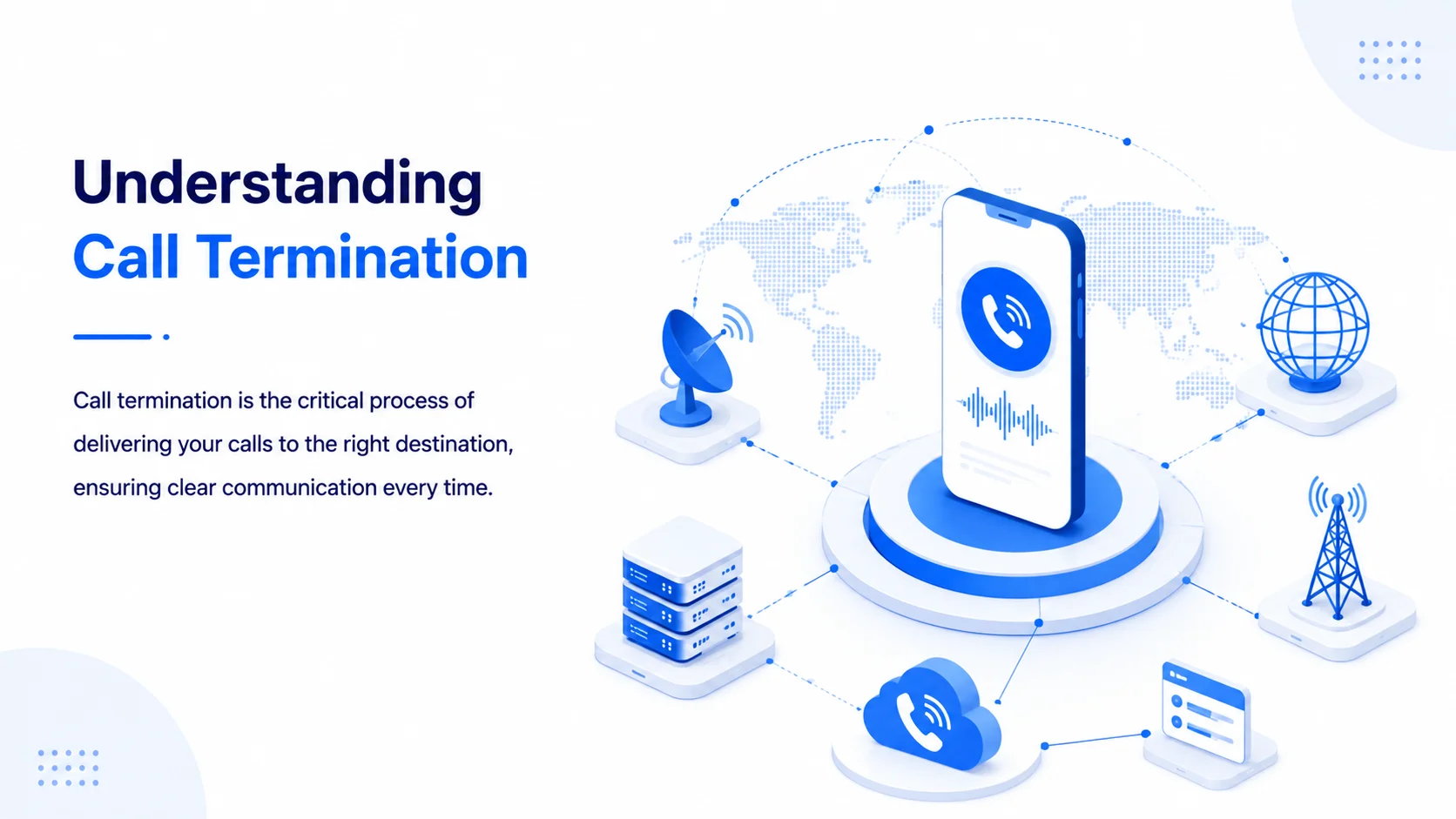
Several tech trends are reshaping competition, bringing both chances and disruption for existing players.
The shift from TDM to all-IP infrastructure keeps cutting per-minute costs for carriers who've finished the move. That shift puts pricing pressure on those still running legacy circuit-switched networks.
AI-powered routing platforms let smaller carriers compete better on quality-adjusted cost than legacy LCR systems allowed.
Real-time fraud detection using machine learning is becoming a baseline expectation, not a premium feature. This raises the bar for any provider that wants quality-conscious buyers who manage fraud risk actively.
Regulatory Factors Affecting the Wholesale Voice Carrier Market
Rules covering interconnection access, number portability, lawful intercept duties, and termination rate regulation vary a lot across countries.
These rules create real limits on competition within the wholesale voice carrier market in each country.
Markets with strong oversight of interconnection terms tend to have steadier pricing and wider carrier competition. Markets where incumbent operators control interconnection access with little oversight fare worse on both counts.
Knowing the regulatory setup in your priority markets protects your business from enforcement risks.
Working with carriers who stay fully compliant also means your traffic is routed through carriers with the legal standing to deliver it in each place.
The wholesale voice carrier market is going through fast consolidation. Large carriers are buying regional operators to expand their reach.
Meanwhile, pure-play VoIP wholesalers are standing out through platform features rather than route breadth.
For buyers, consolidation means fewer choices at the Tier 1 level but richer portals and APIs from mid-tier providers. The ability to manage routing rules, rate decks, and CDR exports via API is now a baseline expectation.
Market pricing in wholesale voice carrier services follows destination risk levels. High-volume, low-risk destinations like the US, UK, and Western Europe trade at near-commodity rates.
Emerging markets with more regulatory complexity, currency swings, or grey-route risk carry higher pricing.
When comparing carriers, split your traffic by destination tier and compare rates within each tier. Blended averages can hide big cost differences on your highest-volume routes.
Regulatory factors increasingly shape wholesale voice carrier choice. FCC and Ofcom interconnect rules affect how US and UK traffic can be terminated. STIR/SHAKEN compliance is now required in North America and spreading in Europe.
Carriers operating without proper regulatory filings (FCC 499-A in the US, Ofcom registration in the UK) expose buyers to compliance risk. Always check carrier licensing before routing live traffic.
Technology is reshaping the wholesale voice carrier market faster than regulation. WebRTC lets browsers handle voice without traditional SIP clients.
Microsoft Teams Direct Routing has set standard SBC needs for enterprise PSTN connectivity. Cloud-native softswitches running on Kubernetes cut infrastructure costs for new entrants.
Operators who update their platform tech regularly gain an edge over those running legacy switching infrastructure. Track your competitors' platform announcements to keep your tech roadmap in step with market expectations.
Conclusion
The wholesale voice carrier market rewards operators who put real work into carrier checks, active portfolio management, and ongoing competitive benchmarking. Knowing the market's structure — tier hierarchies, direct peering advantages, regulatory limits, and tech trends — leads to better carrier choices and stronger commercial talks. Operators who treat their carrier portfolio as a strategic asset and manage it with the same care as other critical business infrastructure always get better cost, quality, and resilience across their voice operations.